
Built for the categories where a return costs real money.
The common thread is that the returned item can't simply be refunded and restocked. It has to be inspected, repaired, classified for transport, or charged back to a supplier — and every one of those is an operational process with a cost attached.
Four things that turn a refund into an operation.
A generic returns app assumes the item comes back, gets scanned, and goes on the shelf. In these categories at least one of these four always applies — usually more than one.
It must be inspected
Nobody refunds a $1,900 power station on a customer's word. Someone has to open it, test it and decide — before the money moves.
It gets repaired, not replaced
A fault has a cause, a labour cost and a technician queue. Out-of-warranty work is revenue if you can quote it and collect.
It's regulated in transit
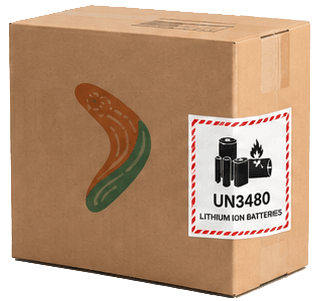
Lithium, aerosols and corrosives need classification, packing instructions and paperwork on the return leg — not just the outbound one.
Someone else should pay
If a batch is failing, the supplier is the one with the problem. Without fault data by SKU and batch, you absorb it silently.
Find the one that looks like your warehouse.
Filter by what actually makes your returns difficult. Most operators match more than one.
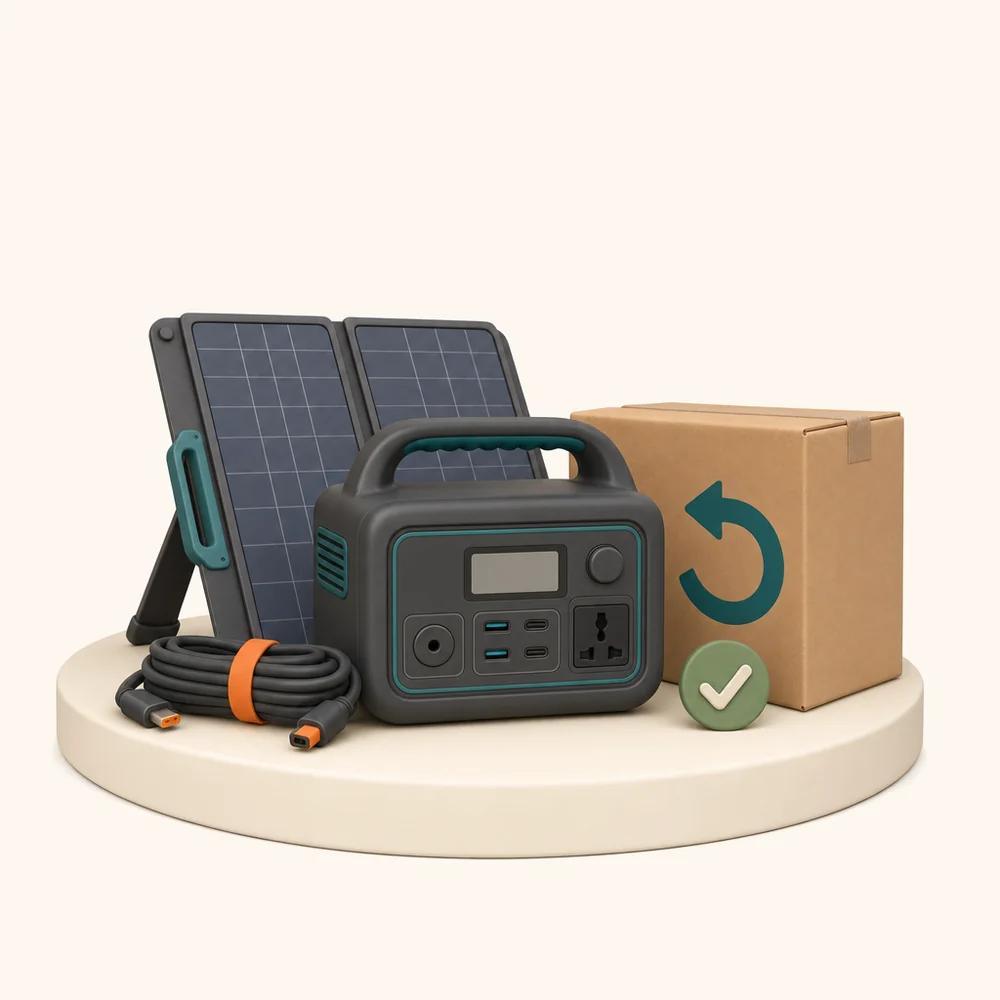
Lithium batteries & power stations
A returned power station is a Class 9 dangerous good, a serialised warranty asset and a freight problem at once. ReturnMate handles all three on one RMA.
Dangerous goods handling →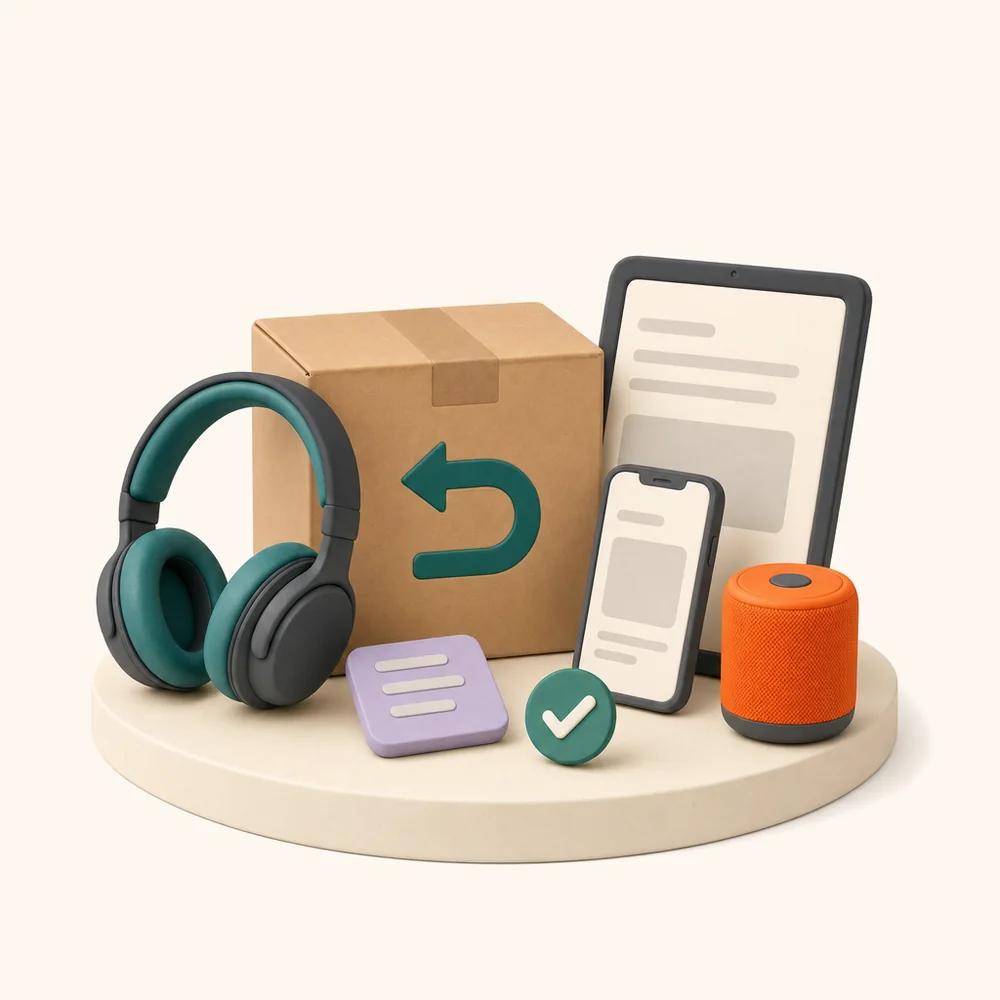
Consumer electronics
Most electronics returns aren't change-of-mind. They're faults — and a fault has a cause, a cost, and someone who should be paying for it.
Warranty & repair workflows →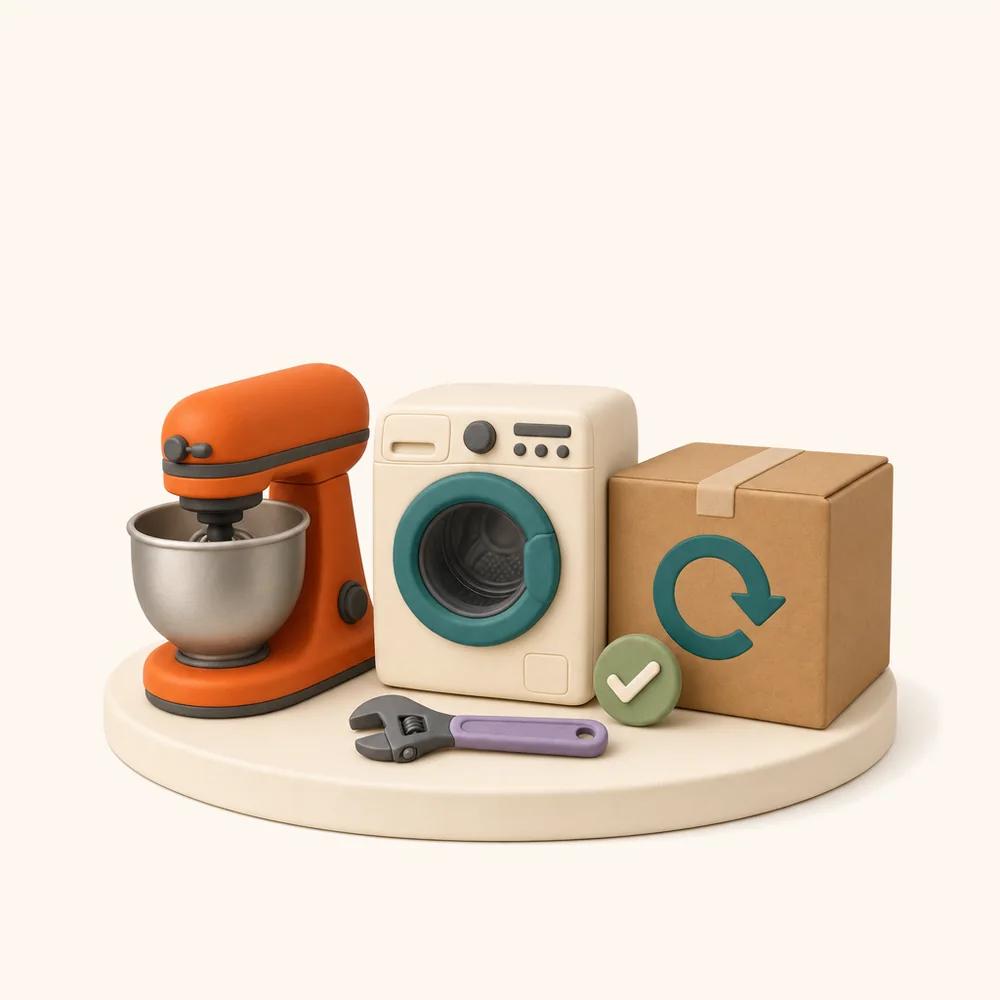
Appliances & white goods
A returned washing machine is a freight booking, a service call and an inventory move. None of that fits a returns app designed for parcels.
Freight & receiving →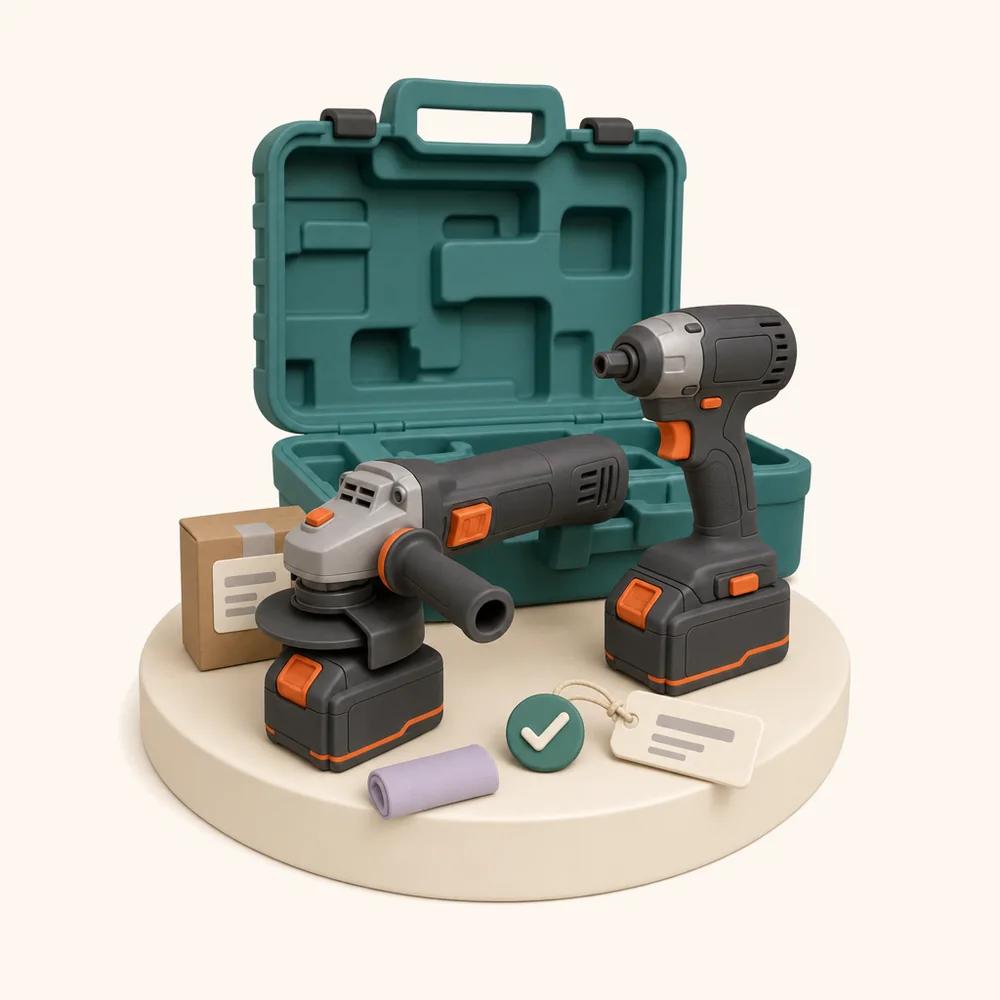
Tools & industrial equipment
Trade customers don't want a refund. They want the tool working, and they want to know when. That's a repair operation, not a returns queue.
Technician queues →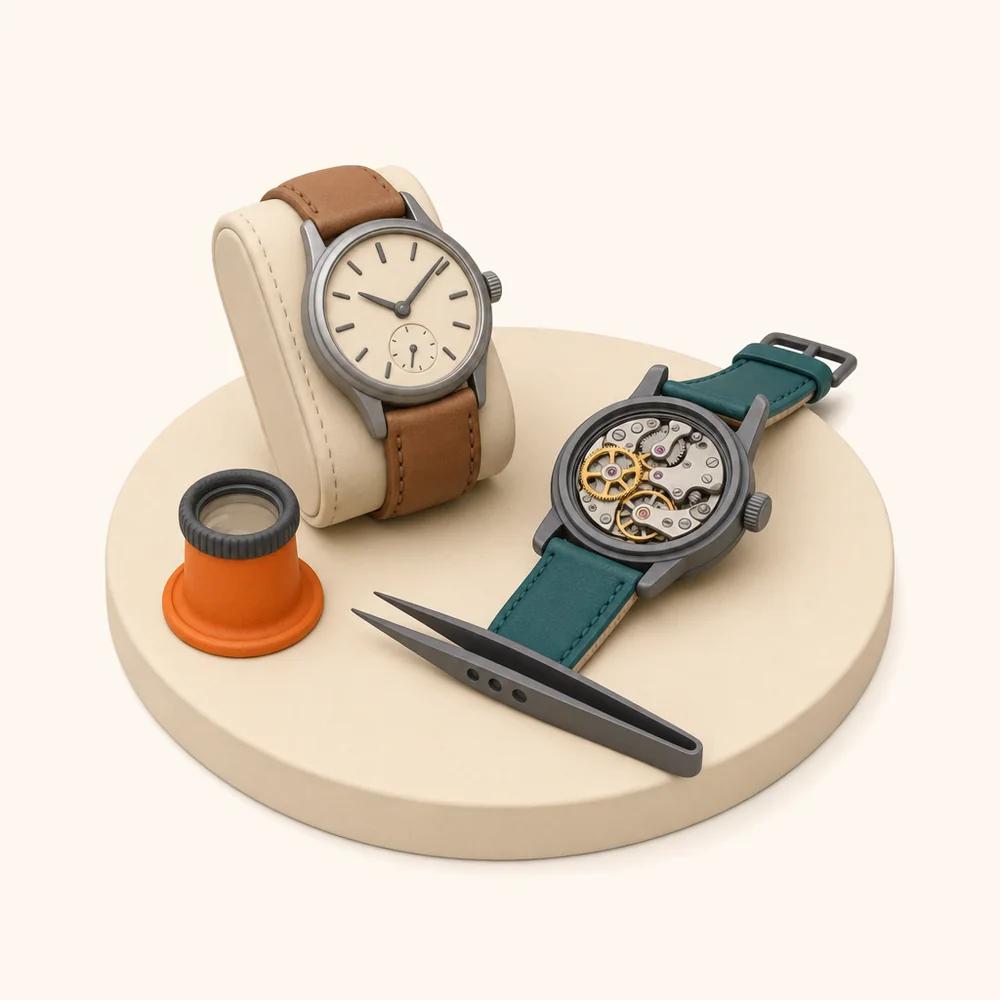
Watches & repair-heavy products
For repair-heavy products the service book is the business. Out-of-warranty work is revenue, not a nuisance — if you can quote it and get paid without leaving Shopify.
Paid repair quotes →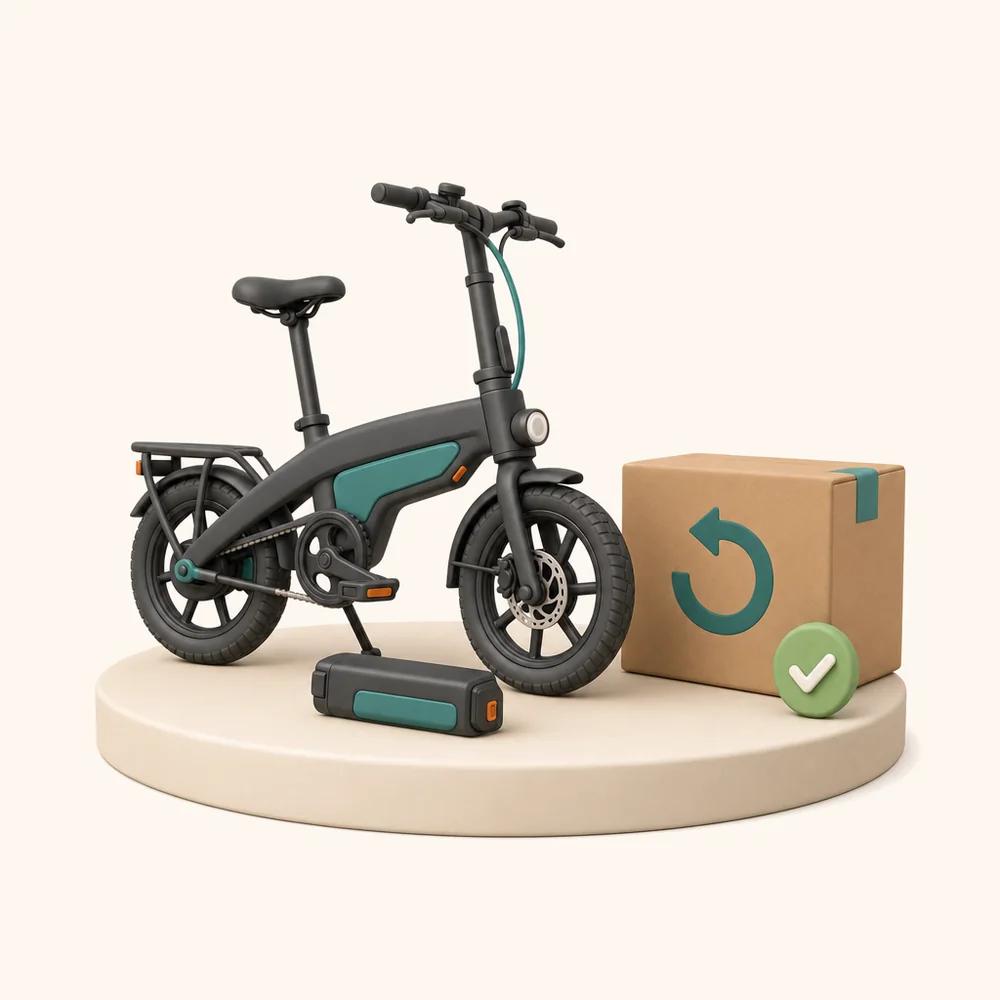
E-bikes & mobility
The hardest return there is: a Class 9 dangerous good bolted to a freight-sized frame, with a serialised warranty on top.
See the full breakdown →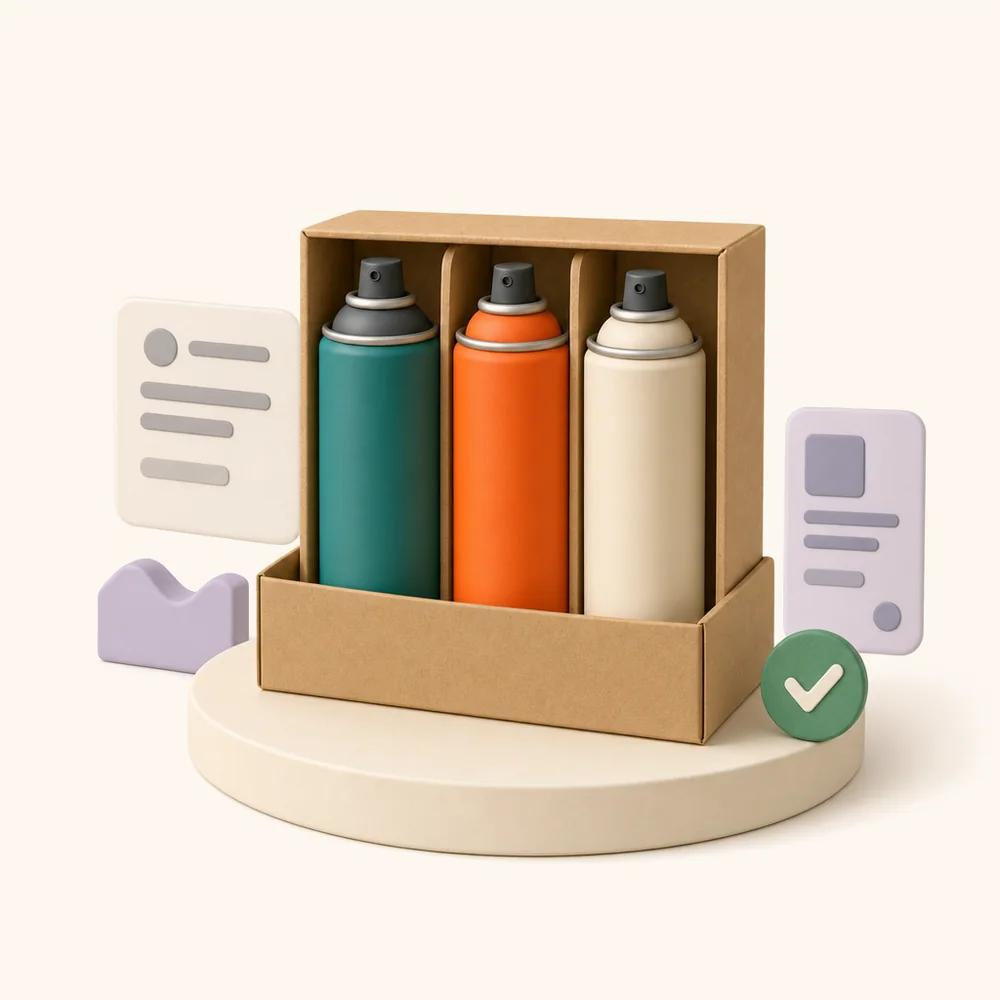
Aerosols & pressurised goods
Aerosols are the most commonly mis-shipped dangerous good in ecommerce returns — usually because nobody realised the return leg needed paperwork too.
Classification & routing →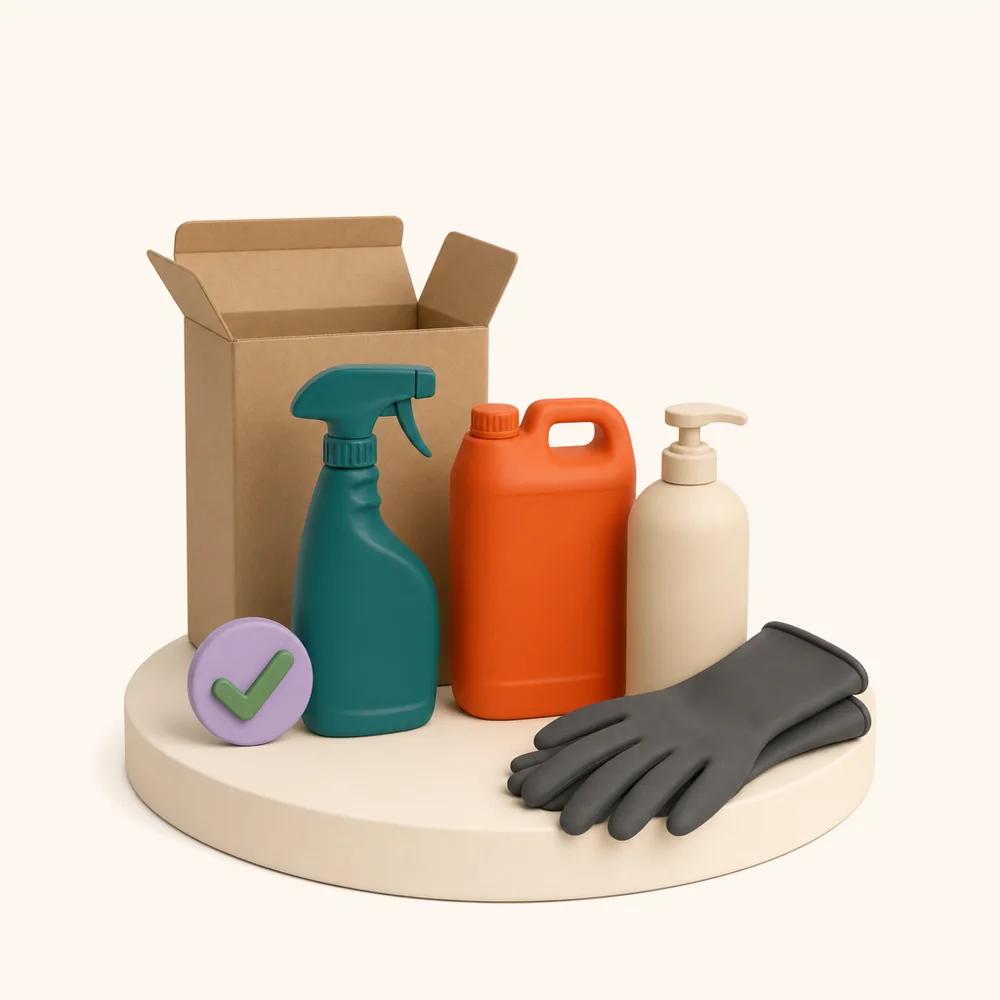
Cleaning & chemical products
A customer posting a corrosive back to you in its retail box is a compliance incident waiting to happen. The return path has to be decided before the label is issued.
Return-path rules →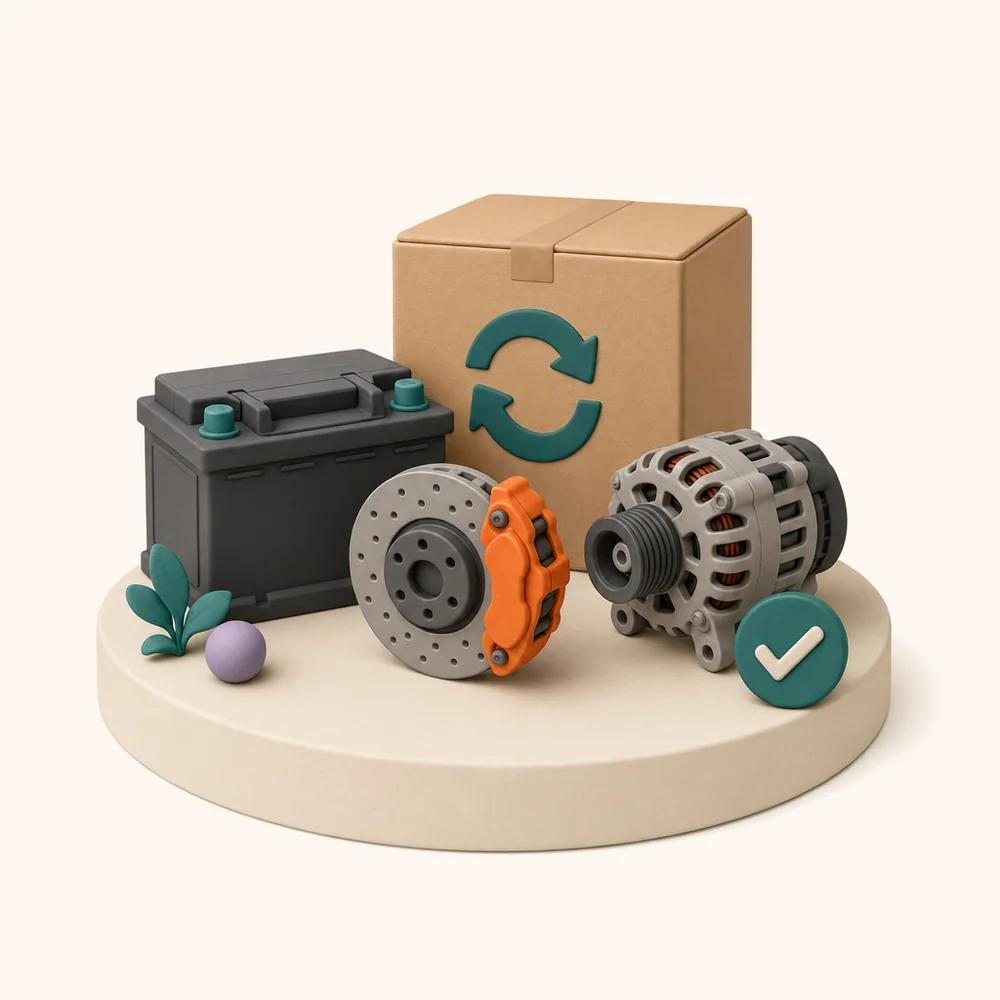
Automotive & lead-acid
Automotive returns are rarely refunds. They're core exchanges, warranty swaps and depot movements — and lead-acid brings Class 8 into it.
Exchange workflows →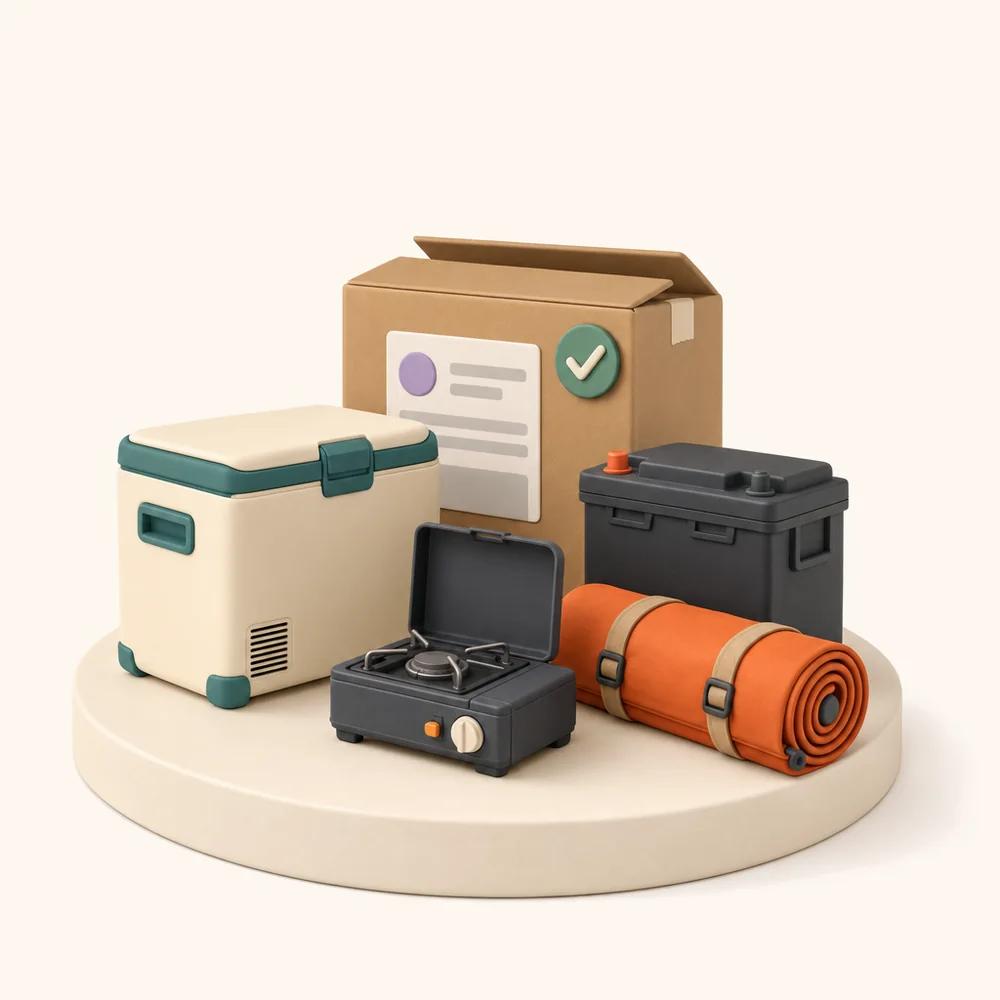
Caravan, camping & 4WD accessories
One order can hold a lithium battery, a gas stove and a bullbar. Nothing in it goes in a satchel, and the customer books the truck themselves from the portal.
Warranty, freight and collections →One e-bike return. Three problems at once.
This is why category matters. A generic returns app sees a single line item to refund. In reality one RMA carries a compliance obligation, a freight decision and a warranty claim — and they all have to resolve together.
The battery is a Class 9 dangerous good
UN3481 installed in equipment. It needs classification, the correct packing instruction, a transport document and a carrier that will actually accept it on the inbound leg.
Classified at RMA creation. Documents generated with the label, carrier filtered to those that accept DG.
It won't go in a satchel
24kg on a bike-sized frame. That's a freight booking or a depot drop-off, not a prepaid parcel label — and the cost difference is roughly tenfold.
Routed to freight or return-to-depot by product profile, before the customer is shown an option.
Someone else should pay for it
Eleven months old, still in warranty, and the fourth Level.3 controller fault this quarter. That's a supplier conversation, but only if the data exists.
Fault code and serial logged against SKU and batch, so the charge-back is evidenced, not argued.
Not sure your category fits?
If any of these are true of your returns, it almost certainly does.